


A new needle-free blood testing method is being trialled within the NHS, offering a less distressing alternative for people with learning disabilities and those with a fear of needles. The approach uses a small, touch-activated device placed on the upper arm to collect a blood sample without the need for traditional injections.
Since the trial began in 2025, dozens of patients have successfully undergone testing using the new technique, with a noticeable reduction in anxiety. The innovation is already attracting interest from other NHS trusts, and work is underway to develop national guidance to support wider adoption of the method.
Unlike standard procedures, which often require significant preparation or even sedation for some patients, this technique is quick, minimally invasive and can be carried out in community settings. This makes it easier to deliver routine care outside of hospital environments and supports efforts to improve accessibility across healthcare services.
Early results suggest the method could help identify previously undiagnosed conditions, ensuring patients receive timely treatment. Health professionals believe this approach could play a key role in reducing healthcare inequalities by making essential tests more accessible, comfortable and dignified for individuals who have traditionally faced barriers to care.

The government has launched a nationwide call for evidence on Personal Independence Payment (PIP), encouraging people to share their experiences to help shape its future. PIP is a non-means-tested benefit designed to support disabled individuals with the additional costs of daily living, regardless of employment status, and currently assists nearly four million people across England and Wales.
Planned reforms to the system have been delayed until at least 2026, allowing more time for meaningful public input. The review aims to assess whether PIP continues to meet its original purpose and whether the current assessment process provides fair and appropriate access to support.
Key areas under consideration include how well PIP reflects changes in society and the workplace since its introduction, and whether different groups have varied experiences when applying for or receiving the benefit. The review is being guided by a steering group bringing together a wide range of expertise, including policy, accessibility, advocacy and lived experience.
The consultation is open until 28 May, with responses welcomed from disabled people, carers, professionals, organisations and public representatives. Officials have stressed the importance of gathering honest and wide-ranging feedback to ensure any future changes result in a more effective, inclusive and supportive system. Alternative formats are available to ensure accessibility for all participants.

A new exhibition in London is drawing attention to the experiences of people with learning disabilities and autistic individuals who have been held in mental health hospitals. The event, taking place in Bethnal Green, brings together stories from those affected and their families, highlighting the challenges they face in securing appropriate care and returning to community life.
Organised by campaigners and relatives, the exhibition aims to raise awareness of ongoing concerns around inappropriate detention. Through photography, recorded testimonies and interactive displays, visitors are given insight into the realities of life inside these settings and the emotional toll on families.
Personal accounts form a central part of the exhibition, with families describing long periods of detention that were initially expected to be short-term. Some report that their loved ones experienced a decline in wellbeing during their time in hospital, with concerns raised about the suitability of care and the impact of restrictive practices.
Recent figures indicate that more than 2,000 people with learning disabilities and autistic individuals remain in such units across England, many due to a lack of suitable community-based support. Campaigners are calling for greater investment in local services, arguing that appropriate care closer to home could reduce reliance on hospital settings and improve outcomes for those affected.

Fresh research suggests that many mainstream mental health programmes are not suitable for neurodivergent children and young people. Traditional approaches, which often depend on sustained conversation, abstract reasoning and verbal expression, can be challenging and ineffective for those with different communication and sensory needs.
A study led by the University of York alongside the Centre for Mental Health found that widely used methods such as cognitive behavioural therapy and mindfulness can be difficult for autistic children to engage with. Some experience sensory overload, while others face communication barriers, leading to reduced participation and limited long-term benefits. In some cases, young people feel compelled to mask their difficulties, which may result in emotional exhaustion.
Researchers are instead encouraging a shift towards strengths-based support. They highlight the potential of adapted, play-focused and sensory-aware approaches to improve engagement and overall wellbeing. Interventions that build on children’s interests, such as Lego-based therapy, have shown promise in supporting social skills and emotional regulation.
The findings also emphasise that mental health support for neurodivergent children should be treated as a reasonable adjustment rather than an attempt to change differences. Experts say services must adapt to meet individual needs, particularly given that a significant proportion of neurodivergent pupils experience mental health challenges during their school years, with higher risks among autistic girls and those from marginalised communities.
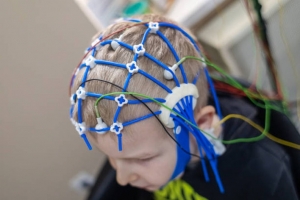
A potential new treatment for children living with Dravet syndrome has shown encouraging results, with researchers reporting seizure reductions of up to 91%. Dravet syndrome is a rare genetic form of epilepsy that causes severe and frequent seizures, along with developmental difficulties that can affect behaviour, learning and overall quality of life.
The treatment, known as zorevunersen, targets the underlying genetic cause of the condition. Dravet syndrome is often linked to a fault in the SCN1A gene, which normally produces a protein vital for healthy nerve cell function. When this gene does not work properly, nerve signalling in the brain can become disrupted, leading to the severe seizures seen in patients.
In a clinical study involving 81 children in the UK and the United States, the medication was administered through a lumbar puncture. Participants initially experienced an average of 17 seizures each month before treatment began. After receiving doses of the drug, many patients experienced significant reductions in seizure frequency over an extended follow-up period, with some showing reductions of between 59% and 91%.
Researchers also reported improvements in quality of life and noted that most side effects observed during the trial were mild. Experts say the drug could potentially alter the progression of the disease rather than simply managing symptoms. Further investigation is now underway in larger phase three trials to determine whether the treatment could become widely available for children affected by this rare and severe condition.

Millions of disabled and older people across the UK are effectively shut out of public transport because many parts of the network remain inaccessible, new research suggests. Engineers say inconsistent accessibility across stations, vehicles and transport interchanges continues to create major barriers for passengers who rely on accessible infrastructure to travel safely and independently.
The study urges the government to prioritise upgrading existing transport infrastructure rather than focusing primarily on new projects. Experts argue that while modern trains may include improved accessibility features, many older stations still lack basic facilities such as lifts, step-free access and clear signage. Without addressing these longstanding issues, many people remain unable to reach platforms or complete journeys without assistance.
Researchers say the problem has wider economic consequences. Limited access to transport can prevent disabled people from reaching workplaces, educational opportunities, healthcare appointments and social activities. Studies suggest the UK economy could benefit by around £72 billion annually if the accessibility gap in transport were significantly reduced, highlighting the broader impact of exclusion from travel.
The report calls for accessibility improvements to be built into the earliest stages of transport planning and procurement. Measures such as tactile paving, step-free routes and accessible wayfinding should be mandatory in new developments and upgrades. Experts argue that incorporating these features from the start is far more cost-effective than retrofitting them later and would help ensure public transport systems are designed to work for everyone.

Families supporting adults with learning disabilities say their confidence in social care services would improve if communication and transparency were strengthened, according to new research. The study, conducted by Log my Care in partnership with Care England, highlights the importance of keeping families informed and involved throughout the care process.
More than 1,000 people responsible for arranging care for a relative took part in the survey, which explored how families communicate with providers, their use of digital tools and their overall level of trust in the care system. The findings suggest many families would like clearer and more frequent updates about the care their relatives receive, particularly through digital platforms that allow them to stay informed in real time.
While many families already use technology to keep in touch with care providers, the report found a gap between expectations and reality. A majority of respondents said they would welcome daily updates through apps or online portals, but fewer currently receive them. Some families also reported having no access to digital systems at all, limiting their ability to stay connected with care services.
Researchers say improving digital communication could help strengthen trust between families and care providers. However, they also warn that technology alone will not solve the issue. Investment in training, staff support and effective systems will be essential to ensure digital tools genuinely improve transparency and help families feel confident in the care their loved ones receive.

The Government has announced a £4 billion investment over the next three years aimed at improving support for children with special educational needs and disabilities (SEND) in mainstream schools. The funding forms part of wider education reforms expected to be outlined in the upcoming schools white paper, Every Child Achieving and Thriving, which focuses on making education more inclusive for all pupils.
A key part of the investment is the creation of a £1.6 billion Inclusive Mainstream Fund, which will be distributed directly to early years settings, schools and colleges. The funding is intended to help education providers deliver early interventions and targeted small-group support for pupils who begin to show signs of additional needs, ensuring help is provided before problems escalate.
The plans also include £1.8 billion to establish a new “Experts at Hand” service. This initiative will provide schools with access to specialist professionals such as SEND teachers, speech and language therapists and other experts within local areas. Local councils will oversee the commissioning of these professionals, working alongside health partners to ensure support is readily available for any child who requires additional help, regardless of whether they have an education, health and care plan (EHCP).
While the reforms have been broadly welcomed, some organisations and charities have raised concerns about whether the funding will be sufficient to address long-standing pressures within the SEND system. Education groups say that although the investment is a positive step, meaningful change will depend on ensuring schools have the resources, training and specialist support needed to meet the growing demand for SEND services.