


The Government has unveiled plans to invest an additional £3bn in creating tens of thousands of new specialist places for children with special educational needs and disabilities (SEND) within mainstream schools. Ministers say the funding will help expand high-quality, purpose-built spaces that enable pupils to learn closer to home, while still accessing mainstream lessons where suitable. The move is intended to form the foundation for wider reforms to be detailed in the upcoming Schools White Paper.
However, the announcement has prompted concerns from charities and advocacy groups. Some fear the money may be used to deliver low-quality facilities, with no guarantee of sufficient specialist staff to support children effectively. Organisations including IPSEA warn that the shift could reduce access to dedicated special schools, while creating isolated units lacking proper integration or individualised support. They argue that without a national workforce plan, shortages of teachers, therapists and educational psychologists will continue to undermine provision.
Others, including Contact, stress that any new units must uphold children’s rights to mainstream education while complementing, not replacing, specialist schools. They caution that poorly regulated expansion could lead to increased segregation rather than inclusion. Meanwhile, recent surveys show significant anxiety among teachers, many of whom fear that more SEND pupils entering mainstream settings without adequate support will place further strain on staff and resources.
Local authorities and unions have responded more positively, welcoming the investment as a step toward reducing long waiting lists and providing support closer to home. They now await the White Paper, which is expected to set out a clearer roadmap for building a more responsive and better-resourced national SEND system.
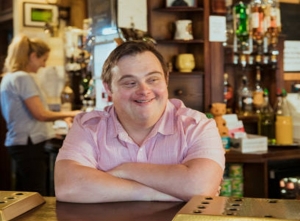
TV cook and author Nigella Lawson has helped open a new training pub aimed at supporting young people with learning disabilities or autism into work. The North Star, created by Brighton charity Team Domenica, offers hands-on experience in a real hospitality setting, helping trainees build confidence and practical skills for future employment.
The launch was attended by Lawson and Baroness Rosa Monckton, who founded Team Domenica in honour of her daughter, Domenica, after witnessing the limited opportunities available once she left education. Staff at the charity say the pub gives young people the chance to learn in an authentic environment, from customer service to workplace routines, all while developing independence.
Figures show that fewer than 5% of adults in England with learning disabilities or autism are in paid work, highlighting the significant barriers they face. Team Domenica’s programme has already demonstrated strong results, with more than four in five participants who move into jobs remaining employed for at least two years.
Georgia Pink, enrichment coordinator at the charity, said the trainees show remarkable commitment and enthusiasm. She described watching their confidence grow as one of the most rewarding parts of her role, adding that everyone deserves the opportunity to feel valued and supported in the workplace.

A joint review by Ofsted and the Care Quality Commission (CQC) has found that children with special educational needs and disabilities (SEND) who attend school part-time or not at all are receiving uneven levels of support across England. Inspectors say that delays in recognising children’s needs and securing appropriate help from education, health and social care services are resulting in some pupils leaving school unnecessarily. Many families reported feeling pushed towards home education because schools were unable to meet their child’s needs and navigating the SEND system had become overwhelming.
The report highlights inconsistent oversight between local areas, with gaps in capacity and unclear responsibilities often contributing to variable support. School leaders told inspectors that stretched budgets and shortages of specialist staff hinder their ability to identify and respond to pupils’ needs effectively. As a result, too many children remain out of school and disconnected from essential services.
Inspectors also noted confusion around how “education otherwise than at school” (EOTAS) arrangements should be used, leading to mismatched expectations between parents and local authorities. While schools and councils were generally effective at sharing information, health services were frequently absent from coordination efforts, preventing some children from accessing vital therapies when not in school.
The report calls on the Department for Education to strengthen early identification of SEND, ensure local partnerships have the resources and training needed, and provide clearer national guidance on EOTAS. The CQC stressed that well-coordinated, multi-agency support can significantly improve outcomes but warned that persistent inconsistencies continue to leave many children without the help they need.

A dedicated set of learning materials has been released to help road safety practitioners better support autistic and neurodiverse learners. The toolkit, created by Co-Pilot in collaboration with the National Autistic Society, includes 24 concise videos showcasing practical demonstrations of accessible, inclusive approaches to road safety education.
The resource is designed to guide professionals as they put together lesson plans, develop teaching materials and anticipate situations where autistic people may require additional support. It also encourages organisations to consider reasonable adjustments that ensure disabled learners are not placed at a disadvantage. According to the National Autistic Society, the aim is to give staff clear and usable insight so they can build confidence in adapting their practice.
With an estimated 700,000 autistic people in the UK, most road safety professionals are likely to work with autistic children or adults at some point, including individuals without a formal diagnosis. Differences in communication, sensory processing and executive functioning can influence how autistic people engage with safety sessions and learning environments. One local authority recently improved its school walking-route guidance—adding clearer maps, colour cues and quieter alternatives—after feedback from a parent, demonstrating how small adjustments can enhance accessibility.
Co-Pilot’s CEO James Evans said the new toolkit aims to equip practitioners with practical, inclusive methods as the sector prepares for the forthcoming Road Safety Strategy. He emphasised that understanding autism not only supports effective learning but also fulfils professional and legal duties to create fair and accessible services.

Social Work England has released a new report outlining its key observations from the first full cycle of reapproving qualifying social work programmes. The regulator has now completed its review of 257 courses across the country, marking an important milestone since taking on responsibility for the profession five years ago.
According to the report, the vast majority of programmes met required standards, with 99.2% receiving approval. However, more than 660 conditions were issued to over four-fifths of courses to support improvements, particularly in areas such as administrative processes, partnership engagement and course governance. The review also highlighted considerable shifts within the education landscape, including a 19.5% rise in the total number of courses since 2023. This growth is largely attributed to an expansion in apprenticeship routes, with 55 new programmes approved in the past year alone.
The regulator notes that course providers have shown resilience and innovation in response to modern pressures, from pandemic-related adjustments to rapid developments in technology. Despite this, financial strain on universities and local authorities — combined with increasing living costs for students — continues to pose significant challenges. Social work programmes also attract a diverse student body, with higher proportions of mature learners, women, and students from black, disabled and lower socio-economic backgrounds compared with other university courses.
Sarah Blackmore, Social Work England’s executive director for professional practice and external engagement, said the findings would shape future regulatory practice. She emphasised the importance of maintaining high-quality training to protect the public and support the next generation of social workers.

The health secretary, Wes Streeting, has commissioned an independent inquiry to explore the sharp rise in referrals for mental health, ADHD and autism services across England. The review, headed by clinical psychologist Professor Peter Fonagy, will assess whether current diagnostic practices are appropriate and identify where services are failing to meet people’s needs. It follows longstanding concern about stretched provision and lengthy waits for treatment in many regions.
Ministers say they have already increased investment in talking therapies and school-based support, yet demand continues to outpace capacity. NHS data indicates a steep rise in reported mental health difficulties over the past 20 years, particularly among younger people and those out of work. The number of working-age adults receiving disability or incapacity benefits has also grown markedly since 2019. Streeting has previously suggested that over-diagnosis may be contributing to pressure on services, emphasising the need for a “clinical, evidence-led” approach to reform.
Professor Fonagy has pledged that the review will challenge assumptions and take seriously the perspectives of those who rely on support. Professional bodies and charities, including the Royal College of Psychiatrists and Mind, have welcomed the initiative, stressing the importance of understanding why more people are seeking help and identifying persistent gaps in care.
Autism organisations have urged swift action, noting that although referral numbers may be stabilising, waiting times for assessments continue to rise sharply. The review’s findings are expected in summer 2026.