


NHS England has introduced a set of baseline requirements for services that provide keyworkers to autistic children and young people, as well as those with learning disabilities. These standards are intended to guide integrated care boards (ICBs) when commissioning support for individuals at risk of being admitted to mental health hospitals or those already receiving inpatient care.
The keyworker role was created following Dame Christine Lenehan’s report, These Are Our Children, with the aim of strengthening community-based crisis support and reducing avoidable hospital admissions. Keyworkers support families facing complex needs, helping ensure care plans are tailored, coordinated and developed with full involvement from children, young people and their carers.
Support should be available to those listed on a dynamic support register (DSR), particularly individuals assessed as being at immediate or potential risk. Services must meet seven core standards, including clear planning, defined service structures, and a skilled workforce trained to address challenges such as housing, employment and access to specialist care.
Additional requirements focus on consistent procedures for referrals, discharge and out-of-area placements, as well as transparency about available services. Regular feedback from families will be used to assess effectiveness, while strong governance systems must be in place to address concerns quickly. The framework has been shaped through national evaluation and collaboration with young people, families and healthcare leaders.

Planned updates to the Motability Scheme are set to come into effect from July 2026, following recent government tax changes announced in the Autumn Budget. The adjustments aim to keep the scheme financially sustainable while limiting the impact on users who rely on it for daily mobility. These changes will apply across most of the UK, with separate arrangements still being considered for Scotland.
From the implementation date, new leases will include revised terms affecting mileage limits, additional charges, and vehicle use. The annual mileage allowance will be reduced to 10,000 miles, while the fee for exceeding this limit will increase to 25p per mile. Updates will also be made to tyre replacement allowances, alongside the introduction of an administrative charge for customers planning to travel with their vehicle in the EU.
Despite these updates, the core package offered through the scheme will remain unchanged. Insurance, servicing, maintenance and breakdown cover will continue to be included as standard, ensuring users still benefit from an all-inclusive arrangement designed to support independence and ease of use.
The changes are being introduced in response to rising operational costs, particularly new taxes such as VAT and Insurance Premium Tax on leases. Existing customers will not be affected immediately, as the revised terms will only apply to new agreements from July 2026 onwards.

Transport for London (TfL) is taking part in a major government-backed initiative aimed at reducing workplace sickness, as figures reveal a sharp rise in staff absences. In 2025 alone, employees recorded close to 419,000 sick days, highlighting the scale of the challenge within one of the capital’s largest employers.
The organisation has joined a national “Vanguard” group under the Keep Britain Working Review, which is exploring new ways to prevent people from leaving work due to ill health. Across the UK, around 2.8 million individuals are currently out of employment because of long-term sickness, a figure that has grown significantly in recent years.
Internal data from TfL shows that long-term illness accounts for the majority of absences, with mental health issues responsible for around 30 per cent of cases. Conditions such as anxiety and depression are becoming increasingly common, particularly among younger workers. Concerns have also been raised about the lack of tailored support for neurodivergent employees, who may face additional challenges in the workplace.
In response, TfL has expanded its wellbeing support, offering services such as counselling, physiotherapy and addiction treatment. Officials stress the importance of balancing reduced absence with avoiding “presenteeism”, where staff attend work despite being unwell. Leaders say improving support systems, alongside collaboration with health services and employers, will be key to helping more people remain in work and maintaining a healthier workforce.
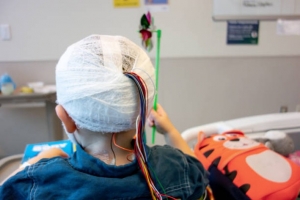
Scientists have uncovered a previously unknown genetic condition responsible for severe epilepsy and developmental challenges in young children. The disorder, identified by UK researchers, often appears within the first year of life and is now thought to be one of the more common genetic causes behind complex epilepsy cases.
Named “RNU2-2-related neurodevelopmental disorder”, the condition has been linked to changes in a very small gene that plays a crucial role in brain development. Although the gene itself does not produce proteins, researchers were surprised to find that even minor alterations can have a significant impact on neurological function.
The study, published in Nature Genetics, has so far identified 84 individuals affected by the condition. However, experts believe many more cases remain undiagnosed worldwide, with a large number of people potentially carrying the faulty gene without realising. The findings were made using data from the UK’s 100,000 Genomes Project, which has been instrumental in advancing genetic research.
Researchers say the discovery offers new hope for families affected by severe epilepsy, many of whom face daily challenges linked to seizures and developmental delays. While further work is needed, scientists are optimistic that a better understanding of this gene could eventually lead to improved treatments and support for those living with the condition.

Young people with learning disabilities and autism have come together across the UK to push for greater access to employment opportunities, marking National Supported Internship Day. The campaign, led by DFN Project SEARCH, included events in Westminster and nationwide, highlighting the importance of supported internships in helping young people move from education into work.
Supported internships are structured, work-based programmes designed for those aged 16 to 24 with special educational needs and disabilities (SEND), typically supported by an Education, Health and Care Plan. These programmes are widely recognised as an effective route into employment, offering practical experience and helping to build confidence and independence.
As part of the week’s events, more than 100 young people gathered in Westminster for a dedicated SEND Youth Parliament. The event brought together politicians and policymakers to discuss the challenges faced by young people entering the workforce. Speakers emphasised the need to ensure that proposed changes to SEND provision do not limit access to supported internships or reduce opportunities after education.
Campaigners say internships can be life-changing, yet employment rates remain low, with fewer than 5% of adults with learning disabilities in paid work. However, programmes like those run by DFN Project SEARCH show strong outcomes, with many participants progressing into jobs. Young people involved say these opportunities help break down stereotypes and prove their value in the workplace.

A new healthcare initiative aimed at improving respiratory support for people with learning disabilities has led to a sharp drop in hospital use. The programme has reduced hospital bed days by more than 90% and cut respiratory-related admissions by over three-quarters, according to recent findings.
The scheme focuses on preventing chest infections, a major health risk for this group, by offering earlier intervention and clearer care planning. Data collected over a year showed notable improvements, including fewer A&E visits, reduced antibiotic use and a decline in GP appointments. Cases of chest infections also fell significantly, suggesting a strong impact on overall health outcomes.
Respiratory illness remains a leading cause of avoidable deaths among people with learning disabilities, often resulting in repeated hospital stays. The initiative aims to tackle this by shifting care away from reactive treatment towards prevention, identifying those most at risk and providing tailored support.
The approach combines coordinated care across services, accessible personalised plans, digital resources and specialist training for healthcare staff. Early economic analysis indicates substantial cost savings for the NHS. Following its success, the programme is now being made available for wider use across the UK, offering a scalable model for improving care and reducing pressure on health services.

New research suggests that around one in five autistic children are affected by constipation, with links to increased hospital visits for digestive issues. The findings, published in a leading gastroenterology journal, highlight the wider health impact this condition can have on young people.
The study examined more than 20 million health records of children aged six to 17 over a nine-year period. It found that constipation was significantly more common among autistic children than their non-autistic peers, alongside higher rates of related issues such as faecal incontinence. Those affected were also more likely to attend emergency departments or require hospital care for abdominal problems.
Further analysis showed that autistic children experiencing constipation faced a much greater likelihood of additional complications. They were considerably more prone to abdominal pain and far more likely to need urgent medical attention or admission to hospital compared with those without constipation.
Although researchers noted some limitations, including potential inconsistencies in diagnosis records, the overall findings underline the importance of recognising gastrointestinal symptoms early. Constipation in autistic individuals may present differently, sometimes appearing through behavioural changes such as disrupted sleep or reduced appetite. The study calls for greater awareness and improved approaches to care, aiming to reduce avoidable hospital visits and better support affected children and their families.